
How Often Should Commercial Roofs Be Inspected?
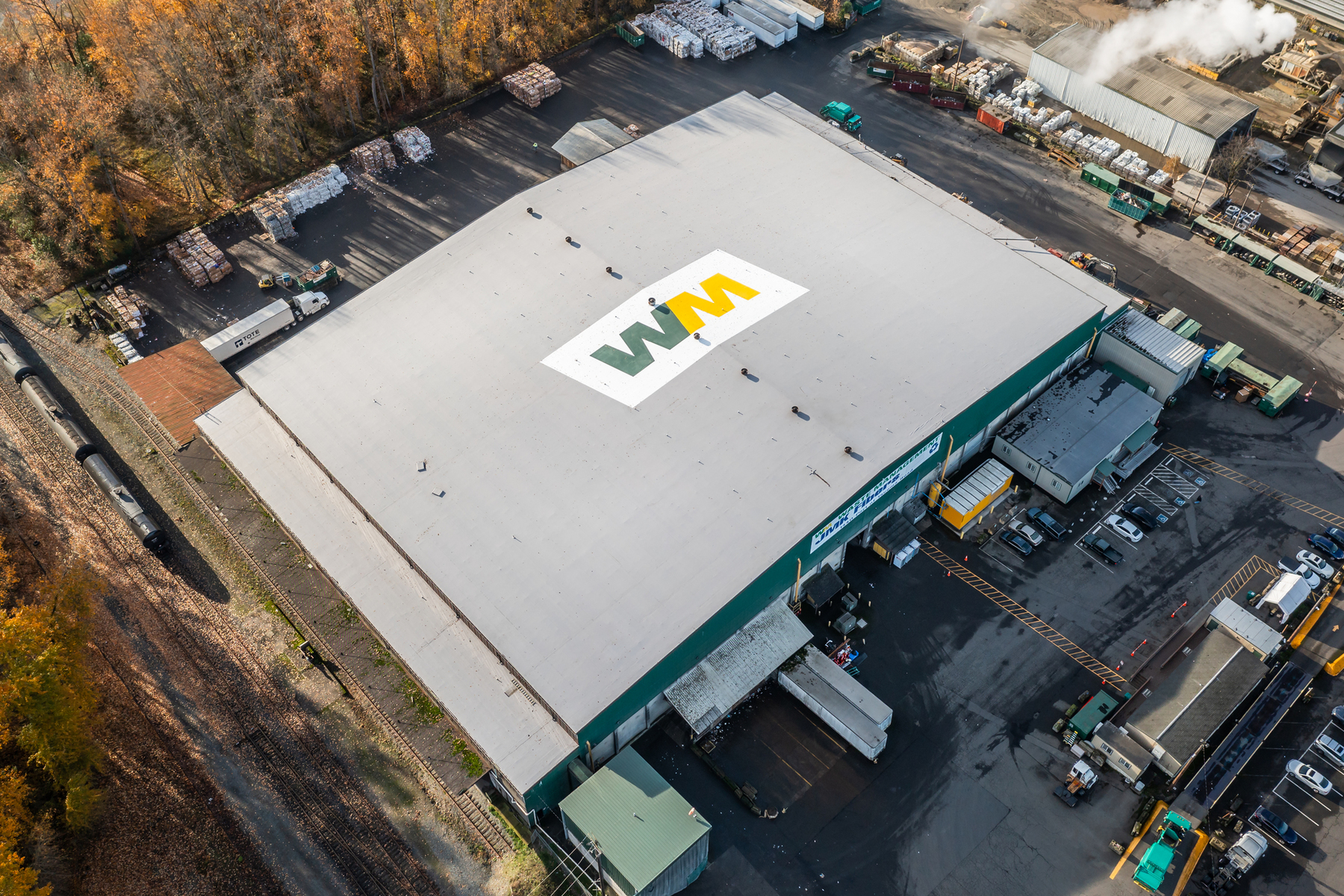
A commercial roof is one of the most important protective systems on your building. It shields your property, employees, inventory, and equipment from rain, wind, moisture, and changing weather conditions. But because most roofing problems begin out of sight, damage can develop long before there is a visible leak inside the building.
For commercial property owners and facility managers in Seattle, regular roof inspections are especially important. The Pacific Northwest's wet climate can expose roofing systems to prolonged moisture, clogged drainage systems, organic growth, and other conditions that contribute to premature deterioration.
So, how often should a commercial roof be inspected?
As a general rule, commercial roofs should be professionally inspected at least twice a year—typically in the spring and fall—and after significant weather events. A consistent inspection schedule can help identify problems early, reduce unexpected repair costs, and extend the service life of your roofing system.
Why Commercial Roof Inspections Matter
Commercial roofs are designed to provide years of reliable protection, but they are constantly exposed to the elements. Even a relatively small issue, such as a damaged seam or blocked drain, can eventually allow water into the roofing assembly.
The challenge is that early-stage roof problems aren't always obvious from inside the building. By the time water stains appear on a ceiling, moisture may already have affected insulation, decking, or other components.
Routine inspections allow a qualified Seattle commercial roofer to identify signs of wear before they develop into larger problems. Addressing minor issues early is generally easier and less disruptive than responding to an active leak or widespread water damage.
How Often Should a Commercial Roof Be Professionally Inspected?
For most commercial buildings, scheduling a professional roof inspection twice per year is a practical maintenance standard.
Spring Roof Inspections
A spring inspection provides an opportunity to evaluate the roof after winter. Seattle's rainy and windy winter weather can put significant stress on commercial roofing systems.
During a spring inspection, a roofing professional can look for issues such as damaged membranes, loose flashing, deteriorated sealants, standing water, clogged drains, and debris accumulation.
Identifying these conditions in spring gives building owners time to address maintenance needs before the following wet season.
Fall Roof Inspections
A fall inspection helps prepare your commercial roof for winter.
Leaves, branches, dirt, and other debris can collect on rooftops and around drainage systems. If drains or scuppers become blocked, rainwater may remain on the roof longer than intended.
For businesses relying on Seattle commercial roofing, a fall inspection is an important opportunity to verify that drainage components are functioning properly and that vulnerable areas of the roof are ready for months of wet weather.
When Should You Schedule Additional Roof Inspections?
Twice-yearly inspections provide a strong baseline, but certain situations may call for an additional assessment.
A commercial roof should also be inspected after:
- Major windstorms or severe weather
- Falling branches or other impacts
- Construction or mechanical work performed on the roof
- Installation or servicing of rooftop HVAC equipment
- Discovery of an interior leak or unexplained water staining
- Unusual ponding or drainage problems
- Significant foot traffic on the roofing system
After a major weather event, damage may not be immediately visible from ground level. Having a professional inspect the roof can help uncover punctures, displaced materials, damaged flashing, or drainage issues before the next period of heavy rain.
Why Seattle's Climate Makes Routine Inspections Important
Seattle's climate creates specific challenges for commercial roofing systems. Frequent rain and extended periods of moisture mean that effective waterproofing and drainage are essential.
Low-slope commercial roofs must move water efficiently toward drains, gutters, or scuppers. Debris accumulation or drainage problems can cause water to remain on the roof, placing additional stress on the roofing system.
Persistent moisture can also contribute to moss, algae, and organic growth in some conditions. Seams, penetrations, flashing, and transitions around rooftop equipment deserve particular attention because these areas can become vulnerable as roofing materials age.
Working with an experienced commercial roofing contractor like Axiom D7 can help property owners develop an inspection and maintenance schedule suited to the building's roofing system and local environmental conditions.
What Does a Commercial Roof Inspection Include?
A professional inspection should evaluate more than the visible surface of the roof. The exact process depends on the roofing system and building, but a commercial roofing contractor will typically examine the overall condition of the roof and identify areas that may require maintenance or repair.
Common inspection points include roofing membranes, seams, flashing, penetrations, drainage components, roof edges, parapet walls, sealants, and areas around HVAC equipment.
The roofer may also look for signs of ponding water, punctures, cracks, blistering, loose materials, deterioration, previous repairs, and other conditions that could affect the roof's performance.
Documentation can also be valuable. Maintaining records of inspections, repairs, and recurring problem areas makes it easier to monitor how the roof is changing over time and plan future maintenance.
Older Commercial Roofs May Need More Attention
The age and condition of your roof should influence how frequently it is inspected.
A relatively new roof in good condition may perform well with scheduled spring and fall inspections. An older roofing system, particularly one approaching the later stages of its expected service life, may benefit from more frequent monitoring.
Buildings with a history of leaks, drainage problems, membrane deterioration, or repeated repairs may also require additional attention.
A qualified commercial roofing company can assess the condition of your existing system and recommend an inspection schedule based on its age, material, maintenance history, and current performance.
Don't Wait for a Leak to Inspect Your Roof
One of the most expensive approaches to commercial roof maintenance is waiting until water enters the building.
An active leak can disrupt business operations and potentially damage insulation, ceilings, electrical systems, equipment, inventory, and interior finishes. Water can also travel through a roofing assembly, which means the location of an interior drip isn't necessarily directly beneath the original point of entry.
Preventive inspections can help catch vulnerabilities while they are still manageable.
Roof maintenance should be treated as part of a building's ongoing asset-management strategy rather than something that happens only after a problem occurs.
How Regular Inspections Can Help Extend Roof Life
Commercial roofing represents a significant investment. Routine inspections and timely maintenance can help protect that investment by addressing minor deterioration before it spreads.
For example, replacing deteriorated sealant or repairing a localized membrane issue is considerably different from dealing with extensive moisture intrusion after a problem has gone unnoticed.
Regular inspections can also help building owners understand the overall condition of their roof. This makes it easier to budget for repairs and anticipate when restoration or replacement may eventually be necessary.
Instead of being surprised by a major roofing expense, property managers can make more informed decisions based on documented roof conditions.
Schedule a Commercial Roof Inspection with Axiom D7
If you can't remember the last time your commercial roof was professionally inspected, now is a good time to establish a regular maintenance schedule.
Axiom D7 provides commercial roofing services in Seattle and the surrounding area for businesses and commercial property owners, including roof inspections, repair and maintenance, commercial roof installation, and waterproofing.
Our team can evaluate your roofing system, identify potential concerns, and help you determine the appropriate next steps for protecting your building. Contact us today to learn more.
