
Seattle Commercial Roofing: Choosing the Right Roof for the PNW Climate
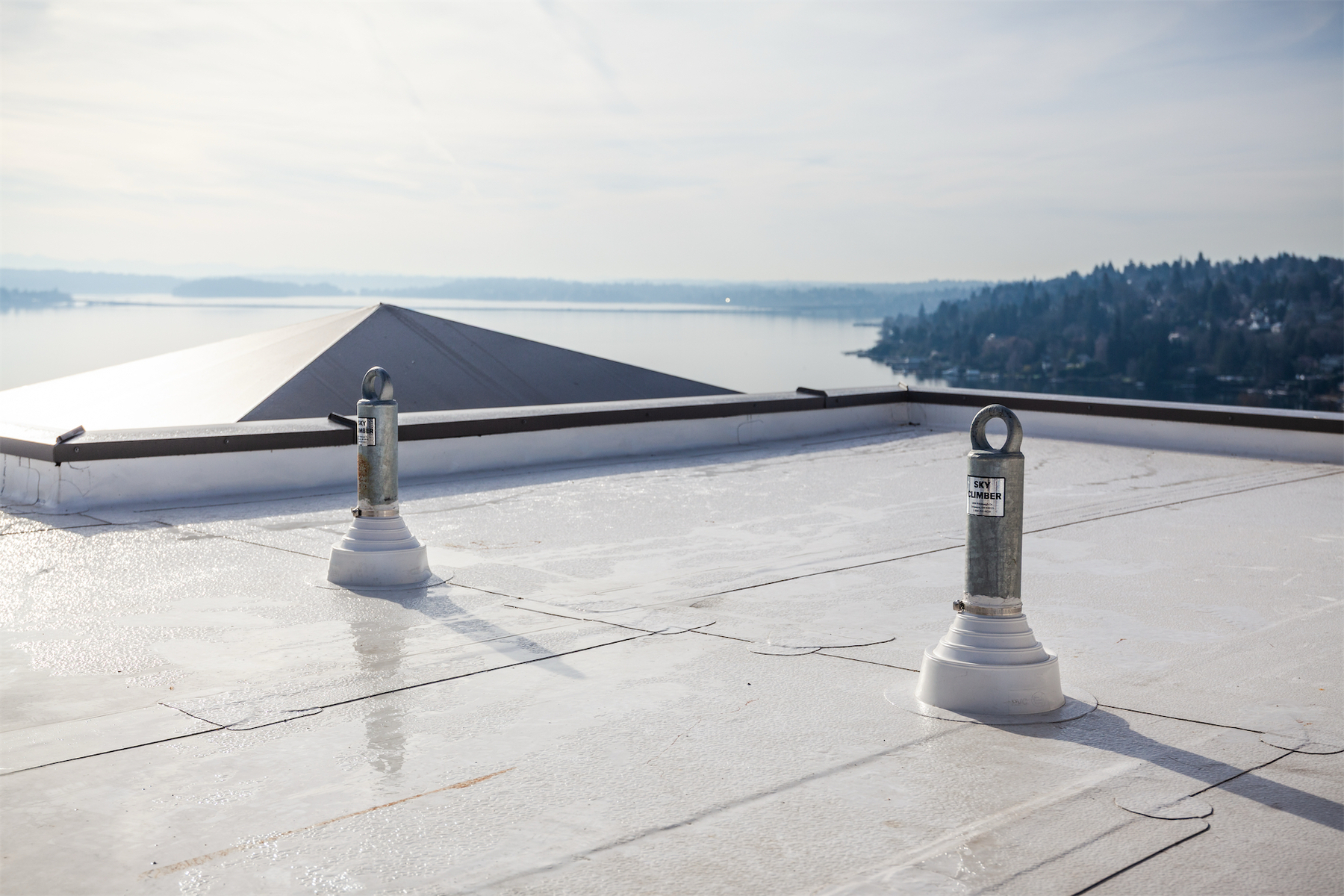
Seattle's weather is unlike almost anywhere else in the country. Frequent rainfall, damp conditions, and seasonal temperature swings create unique challenges for commercial buildings. For property owners and facility managers, selecting the right roofing system isn't simply about appearance—it's about protecting your investment for decades to come.
As an experienced Seattle commercial roofer, Axiom D7 understands that the right roofing material can improve durability, reduce maintenance costs, and enhance overall building performance. Here's a look at some of the most effective Seattle commercial roofing systems designed to withstand the Pacific Northwest climate.
TPO Roofing: A Reliable Choice for Flat Roofs
Thermoplastic Polyolefin (TPO) has become one of the most widely used commercial roofing materials in the Seattle area. Its heat-welded seams create a watertight barrier that performs exceptionally well during long periods of rain.
In addition to moisture resistance, TPO's reflective surface can help reduce cooling costs during warmer months.
Benefits of TPO Roofing:
- Strong resistance to leaks and punctures
- Energy-efficient reflective membrane
- Cost-effective installation
- Low maintenance requirements
- Typical lifespan of 15–25 years
PVC Roofing: Superior Protection Against Moisture
For buildings that require enhanced waterproofing, PVC roofing is an excellent option. Its durability and chemical resistance make it especially popular for restaurants, manufacturing facilities, and commercial kitchens.
Because Seattle experiences consistent moisture throughout much of the year, PVC's welded seams provide added confidence against water intrusion.
Benefits of PVC Roofing:
- Outstanding waterproof performance
- Resistant to ponding water
- Fire- and chemical-resistant
- Flexible during temperature changes
- Service life that can exceed 25 years
EPDM Roofing: Proven Performance in Wet Conditions
EPDM, often called rubber roofing, has earned a reputation for dependability. Its flexibility allows it to handle seasonal expansion and contraction without compromising performance.
Seattle commercial roofing systems made with EPDM are often selected for large, low-slope buildings due to their affordability and longevity.
Benefits of EPDM Roofing:
- Excellent resistance to moisture and UV exposure
- Durable in changing temperatures
- Straightforward repairs when needed
- Cost-effective for expansive roof areas
- Lifespan of 20–30 years
Metal Roofing: Built for Long-Term Durability
Metal roofing systems continue to gain popularity among commercial property owners seeking a long-term solution. When properly installed, metal roofs effectively shed rainwater and resist issues such as moss growth and corrosion.
Although the upfront investment can be higher, the lifespan often justifies the cost.
Benefits of Metal Roofing:
- Exceptional weather resistance
- Lifespans of 40–50 years or more
- Minimal maintenance requirements
- Resistant to mold and algae growth
- Manufactured from recyclable materials
Modified Bitumen: Tough and Dependable
Modified bitumen remains a trusted option for low-slope commercial roofs throughout the Pacific Northwest. Reinforced asphalt layers provide added protection against tears, punctures, and moisture intrusion.
Its ability to withstand regular rooftop foot traffic also makes it attractive for facilities that require frequent maintenance access.
Benefits of Modified Bitumen:
- Excellent waterproofing capabilities
- Durable under heavy use
- Suitable for flat roof applications
- Resistant to punctures and damage
- Long service life with routine maintenance
Green Roofing: Sustainability Meets Performance
As Seattle businesses continue prioritizing environmental responsibility, green roofing systems have become increasingly appealing. These living roofs feature vegetation installed over specialized waterproofing assemblies.
Beyond their visual appeal, green roofs help manage stormwater runoff and improve insulation.
Benefits of Green Roofing:
- Reduces rainwater runoff
- Improves energy efficiency
- Supports sustainability initiatives
- Enhances urban biodiversity
- Can extend membrane lifespan
How to Select the Best Seattle Commercial Roofing System
Every commercial building has unique requirements. Before deciding on a roofing system, consider these important factors:
Roof Design
Flat and low-slope roofs often perform best with TPO, PVC, EPDM, or modified bitumen systems. Buildings with steeper roof pitches may benefit from metal roofing.
Budget and Lifecycle Costs
The least expensive option upfront isn't always the most economical over time. Consider expected lifespan, repair costs, and maintenance requirements when evaluating materials.
Energy Efficiency Goals
Reflective membranes and vegetative roofing systems can contribute to reduced energy consumption and improved occupant comfort.
Maintenance Expectations
Seattle's climate demands regular inspections and proactive maintenance. Choosing materials designed to handle persistent moisture can help minimize disruptions and costly repairs.
Partner with an Experienced Seattle Commercial Roofer
The right roof is one of the most important investments you can make in your commercial property. Working with a knowledgeable Seattle commercial roofer ensures your roofing system is tailored to your building's needs, budget, and long-term goals.
At Axiom D7, we specialize in Seattle commercial roofing solutions, including roof installation, replacement, maintenance, and waterproofing. Our team understands the demands of the Pacific Northwest climate and helps clients choose roofing systems built to perform year after year. Contact us to learn more!
