
When Should You Replace vs. Repair a Commercial Roof
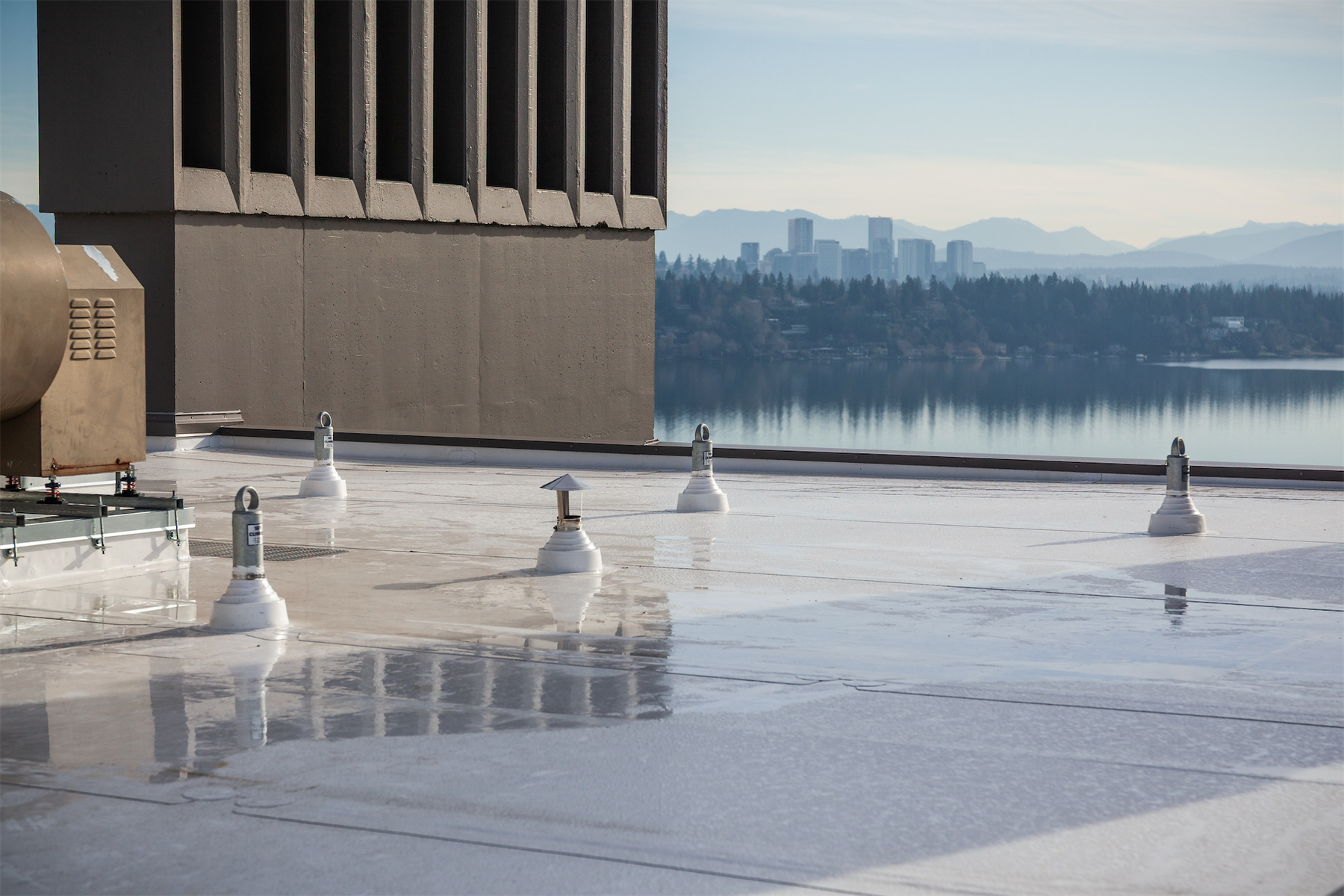
Commercial roofs in Seattle face a demanding environment. Months of rain, persistent moisture, wind, temperature changes, and occasional winter weather can all take a toll on roofing systems. When leaks or visible damage appear, building owners and property managers are often faced with an important question: Should you repair the roof, or is it time to replace it?
The answer depends on several factors, including the roof’s age, the extent of the damage, its maintenance history, and the long-term cost of keeping the existing system in service.
Understanding the difference between a roof that needs a targeted repair and one that has reached the end of its useful life can help you protect your building and avoid unnecessary expenses. An experienced Seattle commercial roofer like Axiom D7 can inspect the system and help determine the most practical solution.
When Does a Commercial Roof Need Repair?
Not every roofing problem calls for a complete replacement. If the roof is generally in good condition and the damage is limited to a specific area, a professional repair may restore its performance and extend its service life.
1. The Damage Is Localized
A repair may be appropriate when the problem is confined to a small section of the roof. Examples can include punctures, damaged flashing, separated seams, or an isolated leak.
Addressing these problems early is important. Seattle's wet climate means even a relatively small opening can allow moisture into the roofing assembly, potentially damaging insulation, decking, and interior spaces.
2. The Roof Is Relatively Young
Age should be considered alongside the roof's condition and roofing material. If a commercial roof is well within the expected service life of its system and has been properly maintained, repairing isolated damage will often make more financial sense than replacing the entire roof.
A professional Seattle commercial roofing inspection can help identify whether the problem is a one-time issue or evidence of more widespread deterioration.
3. There Is a Clear Source of the Leak
Commercial roof leaks can originate around penetrations, drains, seams, flashing, rooftop equipment, and other vulnerable areas. If an inspection identifies a specific source and the surrounding roofing system remains sound, a targeted repair may solve the problem.
The key is determining the actual source rather than simply addressing where water appears inside the building. Water can travel through a roofing assembly before becoming visible indoors.
4. Routine Maintenance Can Extend the Roof's Life
Preventive maintenance can make a significant difference in commercial roof performance. Regular inspections provide an opportunity to identify minor problems before they develop into larger and more expensive issues.
Keeping drains clear, maintaining flashing, repairing membrane damage, and checking roof penetrations can help extend the useful life of the system.
When Should You Consider Replacing a Commercial Roof?
At some point, continuing to repair an aging or extensively damaged roof becomes less economical. Replacement may provide greater long-term value when deterioration is widespread or recurring problems indicate the roofing system is no longer performing reliably.
1. The Roof Is Approaching the End of Its Service Life
Every commercial roofing system has an expected service life, although actual longevity varies depending on the material, installation quality, drainage, maintenance, exposure, and building conditions.
An older roof does not automatically need replacement. However, when age is combined with repeated leaks, deteriorating materials, or frequent repair needs, replacement deserves serious consideration.
2. Leaks Keep Coming Back
One leak does not necessarily indicate roof failure. Multiple recurring leaks are a different story.
If repairs are becoming routine or new leaks continue to appear in different areas, the underlying roofing system may be deteriorating. Continually paying for temporary fixes can eventually cost more than investing in a longer-term solution.
A qualified commercial roofer can evaluate whether additional repairs are worthwhile or whether replacement offers better value.
3. Moisture Has Spread Below the Roofing Membrane
One of the most important factors in a repair-versus-replacement decision is what is happening beneath the visible roof surface.
Moisture trapped within insulation or other components of the roofing assembly can reduce performance and contribute to further deterioration. When moisture damage is widespread, surface-level repairs may not adequately address the problem.
A detailed roof assessment can help determine how extensive the damage is and whether affected areas can be repaired or a larger replacement project is necessary.
4. The Roofing System Has Widespread Damage
Commercial roofs can develop cracking, open seams, damaged flashing, membrane deterioration, ponding-water-related problems, and other signs of aging.
When these issues are isolated, repairs may be sufficient. When they occur throughout the roof, continuing to patch individual areas may provide diminishing returns.
Replacement can create a more reliable roofing system and reduce the uncertainty associated with repeated failures.
5. Repair Costs Are Becoming Too Frequent
The least expensive option today is not always the least expensive option over several years.
Property owners should consider the cumulative cost of repairs, maintenance, leak-related interior damage, operational disruptions, and emergency service. If those expenses continue to increase, commercial roof replacement may offer a better long-term return.
Why Seattle's Climate Matters
Seattle's climate makes roof condition especially important for commercial properties.
Frequent rain and prolonged periods of moisture can expose weaknesses in membranes, seams, flashing, drainage systems, and penetrations. Standing water can also place additional stress on roofing systems when drainage is inadequate.
This is why proactive inspections are an important part of commercial roofing maintenance. Finding and correcting vulnerabilities before the wettest months can help reduce the likelihood of leaks and unexpected disruptions.
Roof drainage deserves particular attention. Commercial roofs should be inspected for clogged drains, debris accumulation, and areas where water repeatedly ponds. Proper waterproofing around penetrations, transitions, walls, and other vulnerable locations is equally important.
Roof Repair vs. Replacement: Questions to Ask
Before deciding how to proceed, consider:
- How old is the roof? An older roof with significant deterioration may not justify extensive repairs.
- How widespread is the damage? Localized problems are generally better candidates for repair than system-wide deterioration.
- How often has the roof needed repairs? Increasing repair frequency may indicate the system is approaching the end of its useful life.
- Is moisture present beneath the roof surface? Hidden moisture can significantly affect the appropriate solution.
- What is the roof's maintenance history? A well-maintained system may have more remaining service life.
- What are the long-term costs? Compare the cost and expected lifespan of additional repairs with the investment and expected performance of replacement.
- Are there building-specific concerns? Drainage, rooftop equipment, building use, and future plans for the property can all influence the decision.
Don't Wait for a Major Leak to Evaluate Your Roof
A roof emergency is one of the worst times to start thinking about the condition of a commercial roofing system. By then, water may already have affected insulation, interior finishes, equipment, inventory, or tenant spaces.
Regular inspections allow property owners and facility managers to make decisions proactively. If a roof has several years of useful life remaining, maintenance and strategic repairs can help protect that investment. If replacement is approaching, early planning can make budgeting and scheduling easier.
Work With an Experienced Seattle Commercial Roofer
There is no universal rule for deciding whether a commercial roof should be repaired or replaced. Two roofs of the same age can be in very different condition depending on their materials, installation, maintenance, drainage, and exposure.
A professional roof inspection is the best way to understand what is happening with your building.
Axiom D7 provides commercial roof installation, repair, maintenance, and waterproofing services for commercial properties in the Seattle area. Our team can evaluate your existing roofing system, identify problem areas, and help you determine whether repair or replacement is the right approach for your property. Contact us to learn more.
