
Why Documentation Matters for Commercial Roof Maintenance
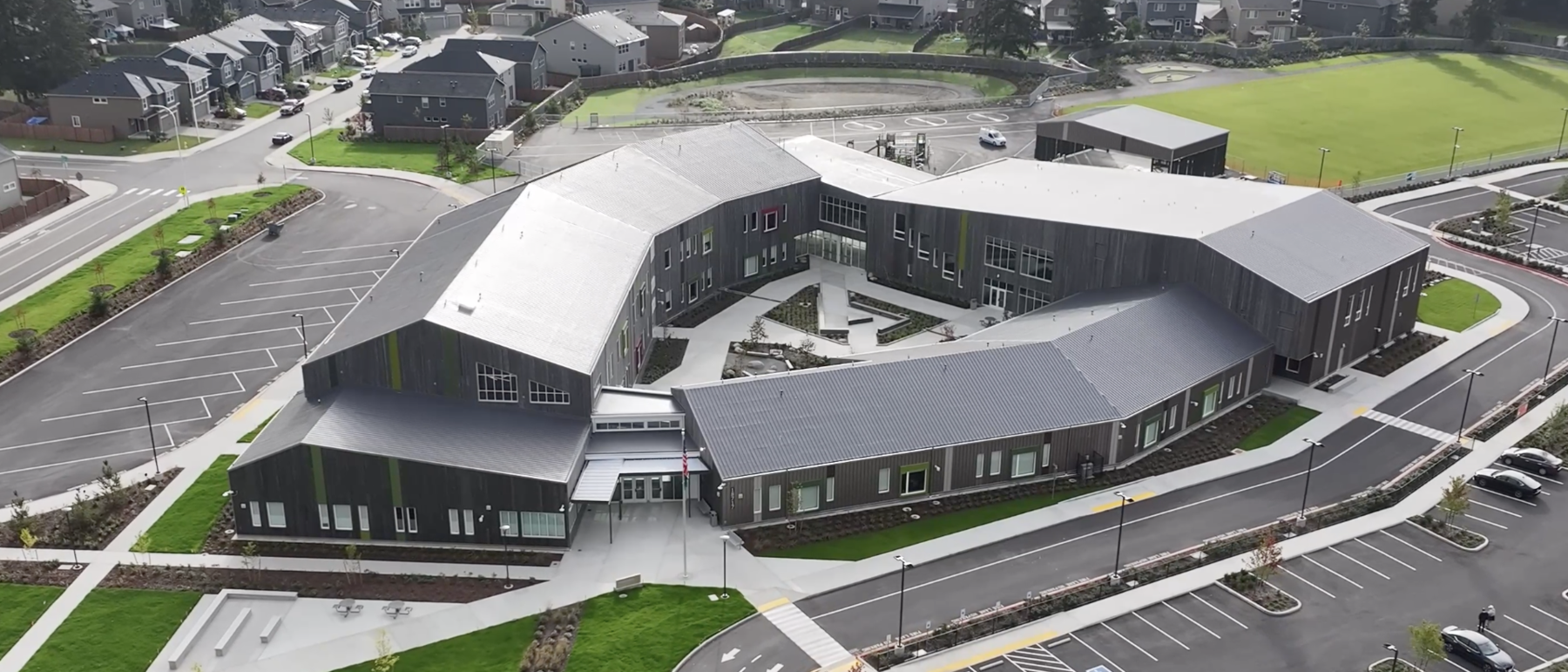
A commercial roof is one of the most important investments a building owner or property manager can make. It protects the structure, equipment, inventory, and people inside from the elements. However, keeping a commercial roof in good condition requires more than routine inspections and occasional repairs. One of the most overlooked aspects of effective roof maintenance is proper documentation.
For businesses in the Pacific Northwest, where frequent rain, moisture, and seasonal weather changes can take a toll on roofing systems, maintaining accurate records is especially important. Whether you manage an office building, warehouse, retail center, or industrial facility, detailed roof maintenance documentation can help protect your investment, reduce unexpected expenses, and extend the service life of your roofing system.
At Axiom D7, we understand the challenges of Seattle commercial roofing and the importance of a proactive approach to roof care. Here's why documentation should be a key part of every commercial roof maintenance program.
1. Establishes a Clear History of Your Roof's Condition
Every commercial roof has a history. From its original installation to inspections, repairs, and ongoing maintenance, each service contributes to the overall condition and performance of the roofing system.
Without proper documentation, important information can easily get lost, especially when property managers, maintenance personnel, or building owners change.
Maintaining organized records allows you to track:
- Original roof installation dates and roofing materials
- Manufacturer information and warranty details
- Routine roof inspection reports
- Previous leaks, repairs, and problem areas
- Maintenance activities and service dates
- Photographs documenting roof conditions over time
- Recommendations for future repairs or improvements
This information provides a valuable reference when evaluating the roof's current condition or planning future maintenance.
An experienced Seattle commercial roofer like Axiom D7 can use these records to identify recurring issues, evaluate previous repairs, and recommend appropriate solutions based on the roof's history.
2. Helps Prevent Small Problems From Becoming Expensive Repairs
One of the biggest advantages of commercial roof maintenance documentation is the ability to identify developing problems before they become major issues.
Commercial roofs are constantly exposed to environmental stress. In Seattle, prolonged moisture exposure, wind-driven rain, debris accumulation, and temperature fluctuations can contribute to roofing deterioration.
A small puncture, damaged flashing, or drainage issue may initially seem insignificant. However, if left unaddressed, these problems can eventually lead to water intrusion, damaged insulation, interior deterioration, and costly repairs.
When inspection findings are documented consistently, building owners and maintenance teams can monitor changes over time.
For example, if an inspection identifies standing water near a roof drain, recording the location, condition, and recommended corrective action creates a clear reference for follow-up inspections.
Documentation helps ensure that maintenance concerns are not forgotten or repeatedly overlooked.
The result is a more proactive maintenance strategy that can reduce emergency repairs and help control long-term roofing expenses.
3. Supports Roofing Warranty Requirements
Commercial roofing systems often come with manufacturer warranties that may provide coverage for certain material or installation-related issues.
However, warranties typically include specific terms, conditions, and maintenance responsibilities.
Some manufacturers require regular inspections, timely repairs, or documented maintenance activities to maintain eligibility for certain warranty benefits.
Without adequate records, demonstrating that the roof has been properly maintained may become more difficult if a warranty claim arises.
Important documentation may include:
- Manufacturer warranty certificates
- Installation records and completion dates
- Inspection reports
- Maintenance and repair invoices
- Photographs of roof conditions
- Records of reported problems and corrective actions
It is important to review the specific terms of your roofing warranty because requirements vary by manufacturer and roofing system.
Working with a qualified Seattle commercial roofing contractor can help property owners maintain organized service records and better understand the maintenance responsibilities associated with their roofing systems.
4. Makes Budgeting and Long-Term Planning Easier
Unexpected roofing expenses can disrupt a commercial property's operating budget.
While not every roofing problem can be predicted, accurate maintenance records can help property managers make more informed financial decisions.
By reviewing inspection reports, repair histories, and recurring maintenance issues, building owners can better understand how their roofing systems are performing.
For example, a roof that requires repeated repairs in the same area may need a more comprehensive evaluation rather than another temporary fix.
Documentation can help property managers:
- Estimate upcoming maintenance expenses
- Identify recurring repair costs
- Prioritize necessary improvements
- Plan for major roofing projects
- Evaluate whether repair or replacement is more practical
- Develop realistic long-term capital budgets
For commercial properties throughout Seattle and the surrounding Puget Sound region, this information is particularly useful when planning maintenance around seasonal weather conditions.
5. Improves Communication Between Property Managers and Roofing Contractors
Commercial buildings often involve multiple stakeholders, including property owners, facility managers, maintenance teams, tenants, and roofing contractors.
Without clear documentation, communication gaps can occur.
A maintenance concern reported by one employee may not reach the appropriate decision-maker. A previously identified repair may be overlooked during a management transition. A new roofing contractor may have limited information about past work.
Detailed documentation helps create a reliable source of information for everyone involved.
Professional roof inspection reports should clearly communicate:
- The date and scope of the inspection
- Areas of the roof that were evaluated
- Existing damage or potential concerns
- Photographs showing relevant conditions
- Recommended maintenance or repairs
- The urgency of identified issues
- Completed work and outstanding follow-up items
This level of transparency helps building owners understand the condition of their roofs and make decisions with greater confidence.
It also helps roofing professionals perform their work more efficiently by providing useful background information.
6. Helps Protect Commercial Property Value
A commercial roof can significantly influence a property's overall condition, operating expenses, and long-term value.
When purchasing, selling, leasing, or refinancing a commercial building, roofing conditions may become an important part of the property evaluation process.
Prospective buyers and other stakeholders may want to understand the roof's age, maintenance history, remaining service life, and potential repair needs.
A well-organized maintenance history can demonstrate that the roofing system has received consistent attention.
Documentation may also help distinguish between a roof that has been regularly maintained and one with an uncertain service history.
Although maintenance records do not guarantee a particular property valuation or roof performance, they provide useful information during due diligence and long-term asset planning.
For building owners investing in commercial roofing, maintaining these records is a practical way to support responsible property management.
7. Creates Accountability and Helps Track Completed Work
Documentation is not just about identifying roofing problems. It is also about confirming that recommended maintenance and repairs have been completed.
A professional maintenance program should establish a clear record of what work was recommended, approved, performed, and verified.
For example, if an inspection identifies deteriorated sealant around a roof penetration, the maintenance record should note the concern, the recommended repair, and the date the work was completed.
Before-and-after photographs can provide additional confirmation.
This process helps property managers track outstanding maintenance items and reduces confusion about whether specific problems have been addressed. It also provides useful information when evaluating the performance of previous repairs.
8. Supports Better Roof Maintenance in Seattle's Climate
Seattle's climate presents unique challenges for commercial roofing systems.
Frequent rainfall, extended periods of moisture, falling leaves, and debris accumulation can affect drainage systems and increase the importance of routine roof inspections.
Flat and low-slope commercial roofs require particular attention because blocked drains, damaged membranes, and deteriorated flashing can contribute to water intrusion.
Proper documentation helps property managers monitor these vulnerable areas throughout the year.
For commercial properties in Seattle, Bellevue, Tacoma, Everett, and surrounding communities, a consistent maintenance record can help identify seasonal patterns and recurring concerns.
For example, records may reveal that certain roof drains regularly become obstructed during the fall or that a particular section of flashing requires repeated attention after winter storms.
Recognizing these patterns allows property managers to plan preventive maintenance more effectively.
What Should Be Included in a Commercial Roof Maintenance File?
An effective documentation system does not need to be complicated. However, it should be consistent, organized, and accessible.
Every commercial property should maintain a roof maintenance file containing the following essential information:
Roof Installation Information
Include the installation date, roofing system type, contractor information, manufacturer details, and available project specifications.
Warranty Documents
Keep copies of manufacturer and contractor warranties, including coverage terms, exclusions, expiration dates, and applicable maintenance requirements.
Inspection Reports
Save dated inspection reports that describe roof conditions, potential problems, photographs, and recommended corrective actions.
Repair and Maintenance Records
Document all completed work, including repair locations, materials used, contractor information, service dates, and invoices.
Photographic Records
Maintain photographs that show roof conditions over time, particularly around drains, seams, flashing, penetrations, and previously repaired areas.
Future Maintenance Recommendations
Track recommended follow-up work, priorities, expected timelines, and completion status.
Digital records can make this information easier to organize, update, and share with authorized property management personnel and roofing contractors.
How Often Should Commercial Roof Inspections Be Documented?
A common best practice is to schedule professional commercial roof inspections at least twice per year, typically in the spring and fall.
Additional inspections may be appropriate after significant storms, suspected damage, or unusual roofing conditions.
However, the ideal inspection schedule depends on the roofing system, building use, warranty requirements, roof age, and environmental exposure.
Every inspection should generate a written record, even when no major problems are discovered. Documenting a roof's satisfactory condition can be just as valuable as recording damage because it establishes a baseline for future comparisons.
Partner With Axiom D7 for Commercial Roof Maintenance in Seattle
Maintaining a commercial roof requires planning, attention to detail, and a clear understanding of the roofing system's condition.
Proper documentation plays a critical role in that process. It helps property owners track repairs, support warranty compliance, improve budgeting, and make informed decisions about ongoing roof care.
At Axiom D7, we understand that commercial roofing is about more than addressing leaks when they occur. It is about protecting buildings, minimizing disruptions, and helping property owners manage their roofing investments over time. Contact us to learn more or to schedule an inspection.
